Essential Guide to Choosing Quality Hemp Flour and Baking Products
As the popularity of plant-based ingredients continues to rise, hemp flour has emerged as a top contender in the baking world. Rich in protein, fibre, and essential fatty acids, it offers a nutritious alternative to traditional flours. This essential guide aims to help you navigate the market for quality hemp flour and baking products, ensuring that your culinary creations are both delicious and healthy.
Understanding Hemp Flour
Hemp flour is made from ground hemp seeds, which are packed with nutrients. Unlike regular flour, hemp flour is gluten free, making it an excellent choice for those with gluten sensitivities or celiac disease. It has a nutty flavour that complements a variety of baked goods, from bread to cookies. When selecting hemp flour, there are a few key factors to consider.
Check for Quality and Purity
Always look for hemp flour that is organic and non-GMO. These certifications ensure that the hemp seeds are grown without harmful pesticides or synthetic fertilisers. Additionally, check the ingredient list for any additives or preservatives. Pure hemp flour should only contain one ingredient: hemp seeds. This guarantees that you are getting the full nutritional benefits without any unnecessary chemicals.
People Also Look For:
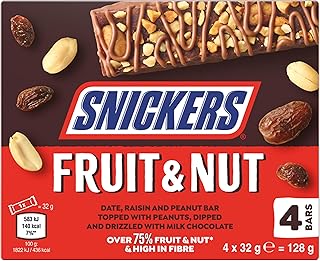
- Mars Caramel, Nougat & Milk Chocolate Snack Bars Multipack, 4 x 39.4g
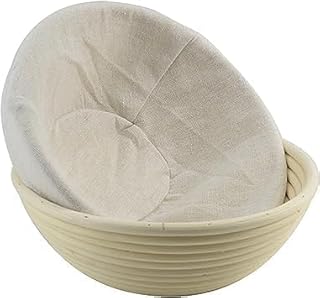
- 9 Inch Proofing Bread Basket Cloth, Reusable Breathable Liner Cotton Flax Proofing Bread Cloth, Round Cloth Baking supplies,Baking...
- Hemp Flour Polselli - Kg. 5 - Offer 3 Pieces
- Cartoon Molds Egg Animal-Biscuit Embossed Cookie Mold Baking Tools Party Cupcake Supply for-Easter Easter-Eggs Mold
- 9 Inch Proofing Bread Basket Cloth, Reusable Breathable Liner Cotton Flax Proofing Bread Cloth, Round Cloth Baking supplies,Baking...
Assessing Texture and Fine Grinding
Hemp flour can vary in texture, with some brands offering a fine grind while others may be coarser. For baking, a fine grind is generally preferable as it blends more easily into doughs and batters. Coarse hemp flour can still be used but may require adjustments in your recipes to achieve the desired consistency.
Look for Nutritional Content
Hemp flour is not just about flavour; it is also a powerhouse of nutrition. A high-quality hemp flour should have a significant protein content, ideally around 30 grams per 100 grams. It should also contain healthy omega-3 and omega-6 fatty acids, making it a good option for those looking to enhance their diet. Always compare the nutritional information on the packaging to ensure you are getting a product that meets your dietary needs.
Consider the Source
The origin of the hemp can impact its quality. Hemp plants are bioaccumulators, meaning they can absorb toxins from the soil. Look for brands that source their hemp from reputable farms known for sustainable practices. Many brands provide information about their sourcing and production methods on their websites, which can guide your purchasing decisions.
Baking Products with Hemp
In addition to plain hemp flour, the market has expanded to include a variety of hemp-infused baking products. These can range from hemp protein powders to pre-mixed baking mixes. When choosing these products, check the ingredient list for quality and the presence of other grains or flours. Aim for products with minimal ingredients and avoid those with unnecessary fillers or preservatives.
Experimenting with Ratios
When using hemp flour in your baking, it is essential to note that it can behave differently than traditional flours. A common recommendation is to replace about 25% of the all-purpose flour in your recipe with hemp flour. This will allow you to enjoy the nutritional benefits without compromising the texture and flavour of your baked goods. As you gain experience, you can adjust the ratios to suit your preferences.
Storing Hemp Flour
Proper storage of hemp flour is crucial to maintain its freshness and nutritional value. Store it in an airtight container in a cool, dark place, or refrigerate it to extend its shelf life. Exposure to heat and light can cause the oils in hemp seeds to go rancid, so take care to protect your investment.